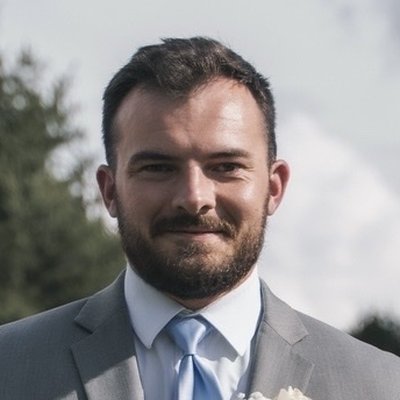
There's a specific moment every producer knows — when the check arrives and the number is lower than expected, and there's no one to call and nothing to appeal. Rivercreek exists to make that moment impossible.
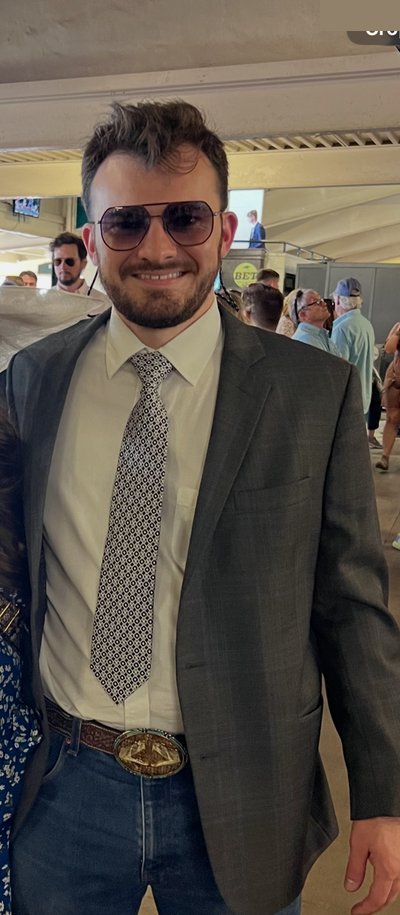
Austin Oeder
Founder & CEO
The American agricultural supply chain moves $1.2 trillion annually. Between the producer and the end buyer, five to seven intermediaries capture 45–55% of the value. Not because they add quality. Because nobody can see what they take.
The auction house doesn't publish its margin. The broker doesn't disclose its cut. The packer, the distributor, the retailer — each layer adds cost that neither the producer nor the buyer can see. That opacity is how $660 billion in annual value gets extracted from the people who raise our food.
Rivercreek is infrastructure that makes this impossible. A clearing layer where every price is visible, every fee is published, every payment is traced, and settlement happens the same day. One transparent layer — 10% — replacing the entire opaque stack.
We call this the transparent supply chain. It starts with beef and grain. It extends to 18 verticals — and it's built on a principle: when every participant can see everything, extraction can't survive.
There's a specific moment every producer knows — when the check arrives and the number is lower than expected, and there's no one to call and nothing to appeal. Rivercreek exists to make that moment impossible.
The agricultural supply chain isn't broken because of bad actors. It's broken because of bad architecture. When nobody can see the numbers, everyone gets squeezed. When everyone can see the numbers, the system self-corrects. We're building the architecture.
Permanent family capital. No exit clock. 50+ year infrastructure.
The person who raises the food should set the price, see every number, and get paid what they earned. Not what someone else decided they were worth. That's not radical. That's how it should have always worked.
Rivercreek is early-stage and building deliberately. We're looking for people who understand agriculture, believe in transparency as architecture, and want to build infrastructure that lasts 50 years.
Drive to farms, sit at kitchen tables, and onboard the Founding 50 producers across Warren, Clinton, Highland, and Butler counties. This role requires someone who knows agriculture — not from a textbook, but from a life lived in it. Mason, OH. Full-time.
The initial platform is being built. You're coming in to own what it becomes. You'll inherit a working foundation — transaction engine, escrow mechanics, producer dashboards — and drive the continued product roadmap from there. New verticals, new instruments, new intelligence layers. Remote, Ohio preferred. Full-time. React / Node / PostgreSQL.
Build the intelligence layer that tells a producer when to sell, what to price, and which buyer is bidding. USDA data integration, county-level basis analysis, packer margin modeling. Institutional-grade agricultural intelligence delivered to the people the institutions have ignored. Remote / contract. Python, SQL, commodity markets background.
We're building an advisory board of agricultural operators, financial infrastructure veterans, and supply chain experts. If you want to be involved, reach out.
Cincinnati sits at the intersection of Ohio agriculture, Midwest distribution, and a metro area of 2.2 million consumers. Kroger — the largest grocery chain in America — is headquartered here. Procter & Gamble — the largest consumer goods company in the world — is headquartered here. Fifth Third and Western & Southern built their financial infrastructure traditions here. The Ohio River connects this city to the entire inland waterway system.
This city was called Porkopolis before it was called Cincinnati. In the 1840s, Cincinnati was the largest pork processing center in the world — the hog slaughterhouses along the Ohio River fed the nation and built the fortunes that funded everything that came after. The Ohio Valley's grain surplus didn't just move east; it fermented here. German immigrants turned Cincinnati into one of America's great brewing cities, building an industry on the same agricultural surplus that Rivercreek is reconnecting today.
And yet the food that feeds Cincinnati travels 1,500 miles when there are cattle in Warren County, grain in Clinton County, and dairy in Holmes County — all within an hour's drive.
We're not based in Cincinnati because it's trendy. We're based here because this is where agriculture meets commerce — and always has been. The clearing point for the transparent supply chain isn't in Silicon Valley. It's here.
Rivercreek doesn't come from a pitch deck. It comes from a family that's been working Ohio land since before the Civil War.
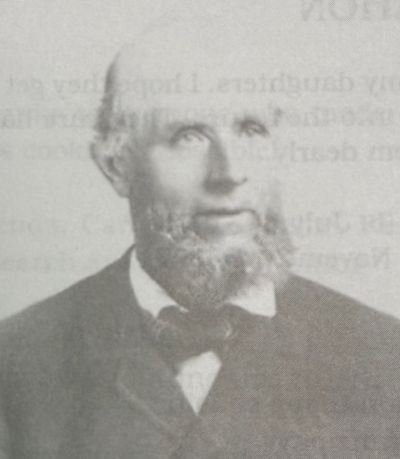
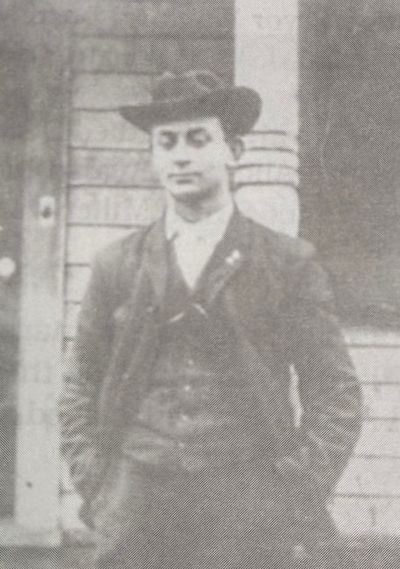
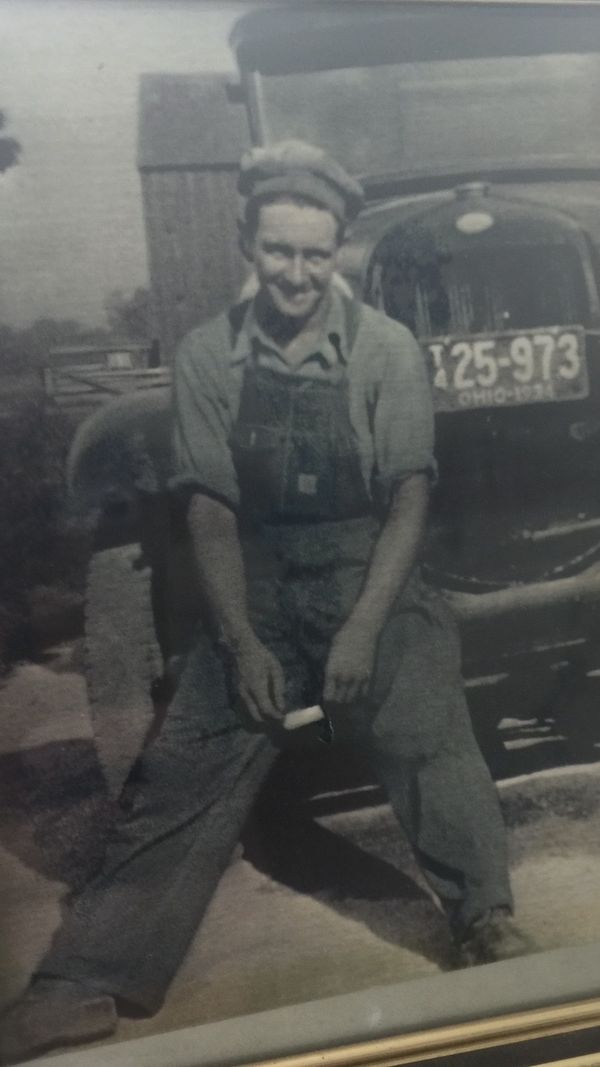
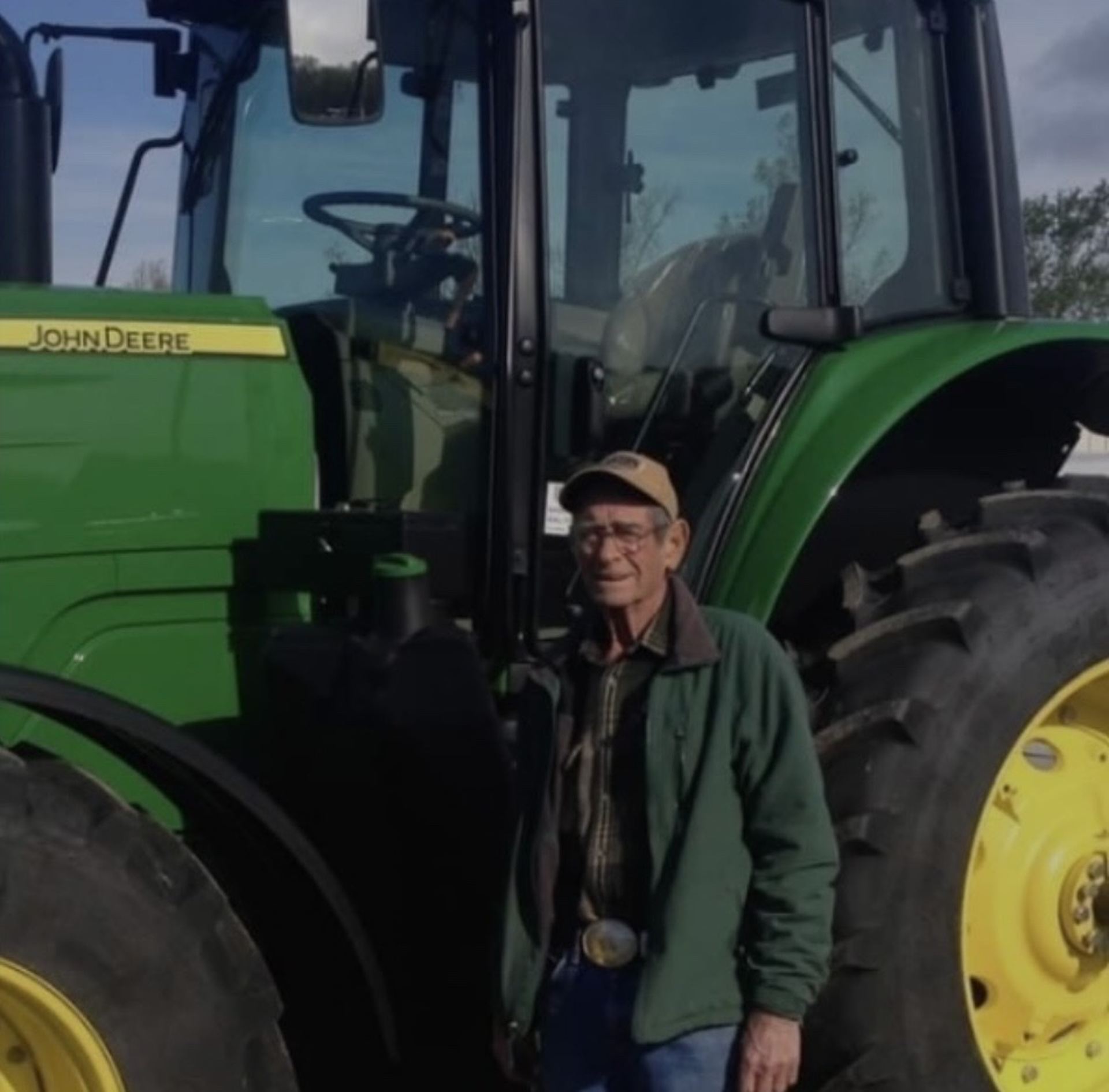
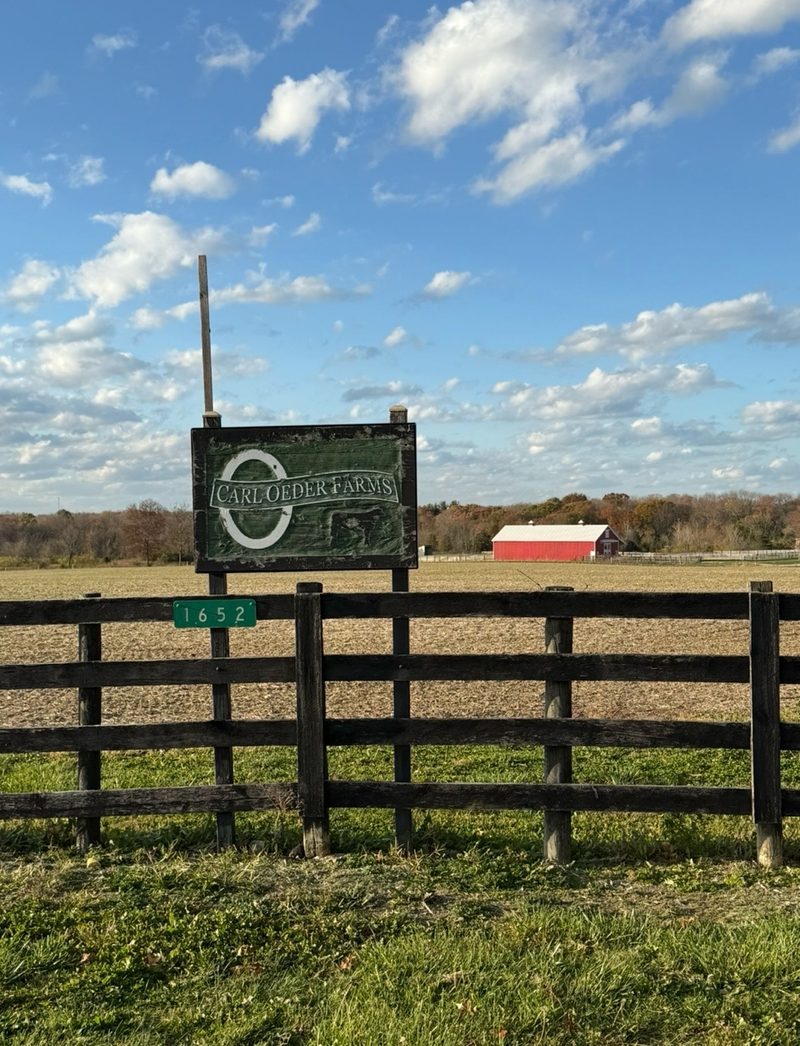
Carl Oeder Farms — Registered Limousin, Angus & Lim-Flex — Morrow, Ohio
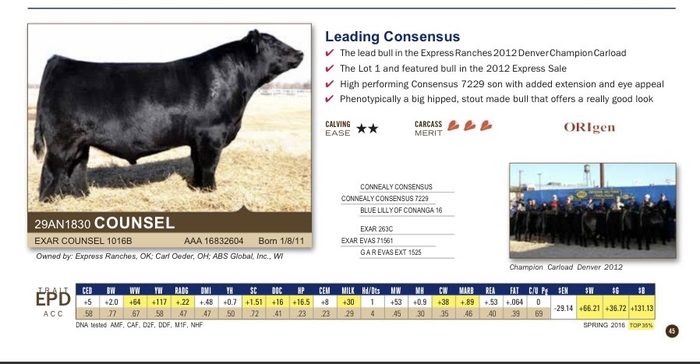
EXAR COUNSEL 1016B — “Owned by: Express Ranches, OK; Carl Oeder, OH” — Champion Carload, Denver 2012